 Materium
Material comparisons
Aluminium vs stainless steel: a guide to metal identification
Explore aluminium and stainless steel through surface finish, product components and material specifications.
Read as Markdown ↗Aluminium and stainless steel can have similar silver-coloured finishes. Use visible features, component context and product markings together to understand which metal a product uses.
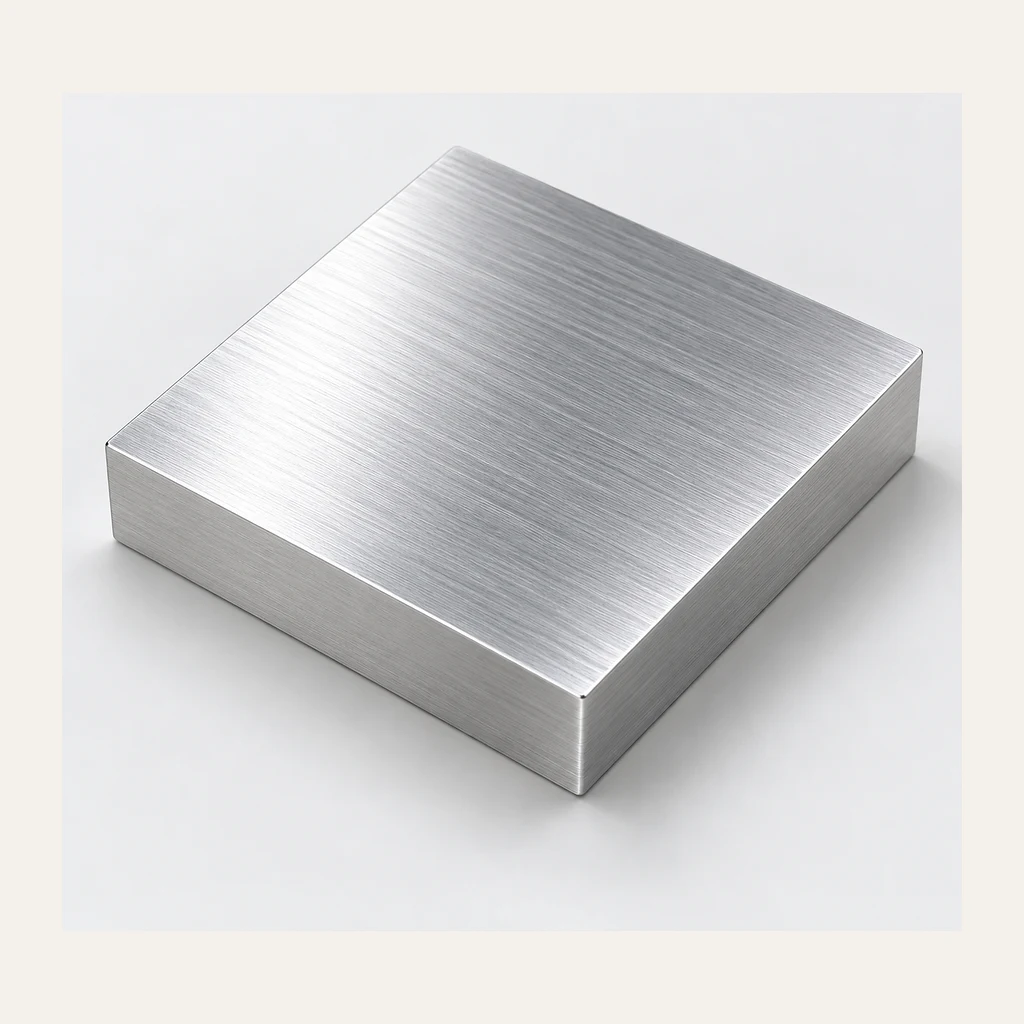
Look at the finish and construction
A brushed, polished or coated finish is part of the object’s appearance. Photograph it in even light, along with the whole item and any readable markings. These views give a material assessment useful context.
worldstainless describes stainless steel as a family of steels with different grades and properties. A specific product specification adds detail beyond the broad family name.
Consider each component
A product may use different metals for its body, handle, fittings or internal layers. Read the manufacturer’s description by component so a single-metal label does not stand in for the entire assembly.
In Materium, visible construction and the role of a part help frame the material analysis. Keep that assessment alongside model details and any documented grade or finish.
Build a reference for future comparisons
Save the scan and note what you can see, the likely material and the supporting product information. This is useful for design references and learning how finishes vary across familiar objects.
Photo analysis describes the likely material family. Where an exact alloy or a performance requirement matters, the product’s technical specification supplies the appropriate detail. Keeping the two together gives your reference a clear purpose.
Explore how Materium analyses patterns and material context, including the role of different information layers in a material investigation.
Sources and further reading
Sources checked 2026-10-19. Regional guidance is identified by location, with industry and supplier references labelled.
Published by Materium with AI assistance. Read our source and editorial approach.