 Materium
How to tell if leather is real
Start with the product description, an exposed edge and the backing. These clues help distinguish leather, coated leather and textile-backed alternatives; a surface pattern on its own does not settle the question.
The material notebook
Practical material identification guides, thoughtful comparisons and useful ways to build your knowledge. Explore the details behind everyday objects with Materium.
How Materium builds material insight ↗Start with the product description, an exposed edge and the backing. These clues help distinguish leather, coated leather and textile-backed alternatives; a surface pattern on its own does not settle the question.
When the tag is missing, identify construction before composition: a knit, weave, pile or coating is something you can document. Then use product information and a visual material assessment to investigate the fibre family.
A useful wood photo includes more than the polished face. Record an exposed edge, end grain if already visible, joins and the product's construction before comparing a possible wood family or species.
Begin with readable marks, the item's construction and its provenance. A photo is useful for documenting those clues; a professional assessment or assay establishes composition when authenticity or fineness needs confirmation.
Start with the label or product record, then document the yarn and construction. Wool is an animal fibre and acrylic a manufactured fibre; softness, warmth and surface fuzz can overlap and do not establish the blend.
Resin identification code 1 identifies PET · polyethylene terephthalate. It describes the plastic family of the marked component; it does not by itself tell you whether your local service accepts the item.
Resin identification code 2 identifies HDPE · high-density polyethylene. It describes the plastic family of the marked component; it does not by itself tell you whether your local service accepts the item.
Resin identification code 3 identifies PVC · polyvinyl chloride. It describes the plastic family of the marked component; it does not by itself tell you whether your local service accepts the item.
Resin identification code 4 identifies LDPE · low-density polyethylene. It describes the plastic family of the marked component; it does not by itself tell you whether your local service accepts the item.
Resin identification code 5 identifies PP · polypropylene. It describes the plastic family of the marked component; it does not by itself tell you whether your local service accepts the item.
Resin identification code 6 identifies PS · polystyrene. It describes the plastic family of the marked component; it does not by itself tell you whether your local service accepts the item.
Resin identification code 7 identifies Other · other resins or combinations. It describes the plastic family of the marked component; it does not by itself tell you whether your local service accepts the item.
Material identification ·
Discover how an AI material identifier reads patterns, surface finish and construction to build a useful material report.
Read the guideFabrics ·
Combine fabric identification with fibre labels to understand the texture, composition and construction of a garment.
Read the guideFabrics ·
Learn how cotton and polyester fit into fabric identification, clothing labels and a personal material library.
Read the guideRecycling ·
Learn how plastic recycling numbers identify resin types and help you find the right local collection guidance.
Read the guideRecycling ·
Compare PET and HDPE using resin markings, packaging components and useful material records.
Read the guideRecycling ·
Use the 5 PP marking and local item guidance to understand polypropylene recycling.
Read the guideFabrics ·
Understand polyester recycling and how to find a collection or take-back route for clothing.
Read the guideMaterial comparisons ·
Explore glass and acrylic using product context, visible features and manufacturer information.
Read the guideMaterial comparisons ·
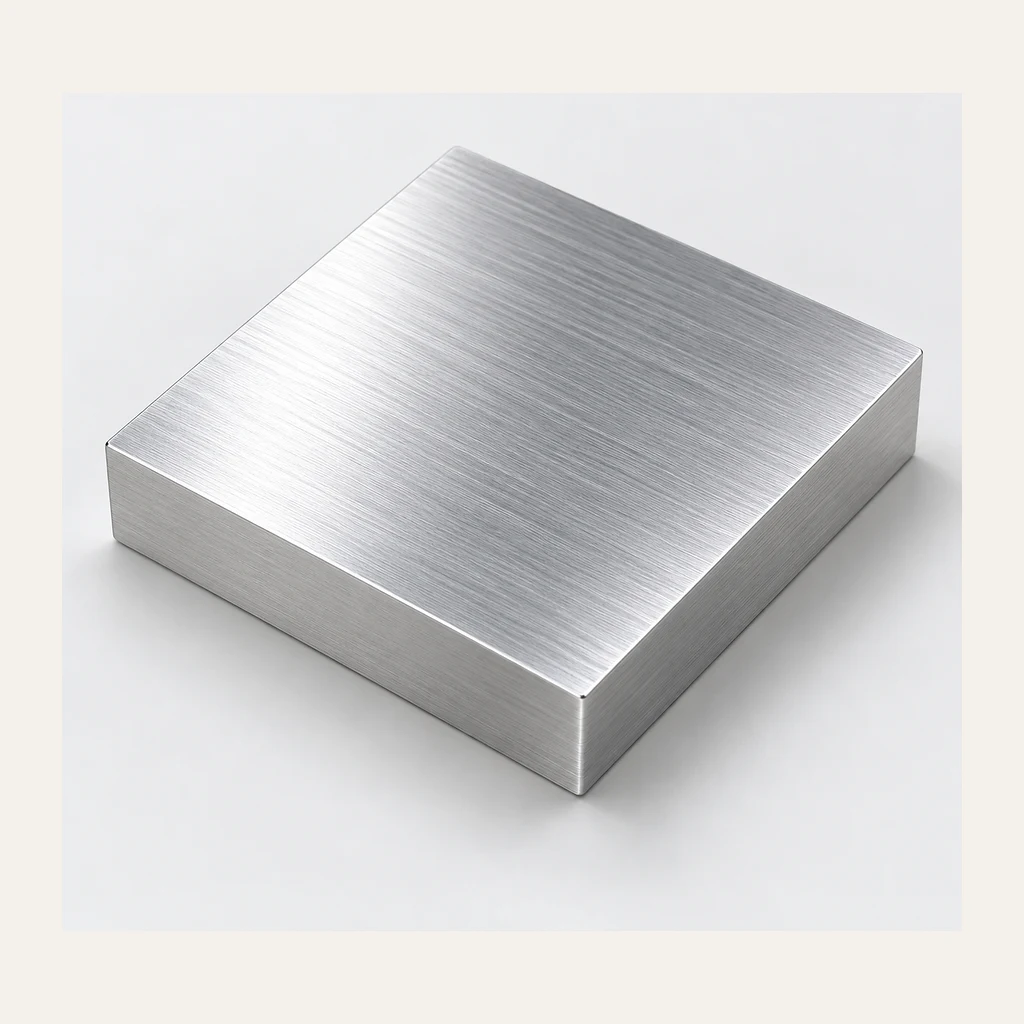
Explore aluminium and stainless steel through surface finish, product components and material specifications.
Read the guideMaterial comparisons ·
Explore the face, edge and construction of wood-look furniture to understand solid wood, veneer and laminate.
Read the guideExplore a material, connect it with useful context and keep a visual reference. Our guides bring practical examples and supporting reading to each step.
Follow new guides with RSS ↗Explore our material reference for properties, visual clues and useful comparisons, or focus on fabrics and plastics.
Find the guide for the question you have in mind.