 Materium
Fabrics
Cotton vs polyester: a practical fabric identification guide
Learn how cotton and polyester fit into fabric identification, clothing labels and a personal material library.
Read as Markdown ↗Cotton and polyester are different fibre families that can appear in many fabric constructions. Compare the surface, the garment’s composition label and its intended use to understand the item in front of you.
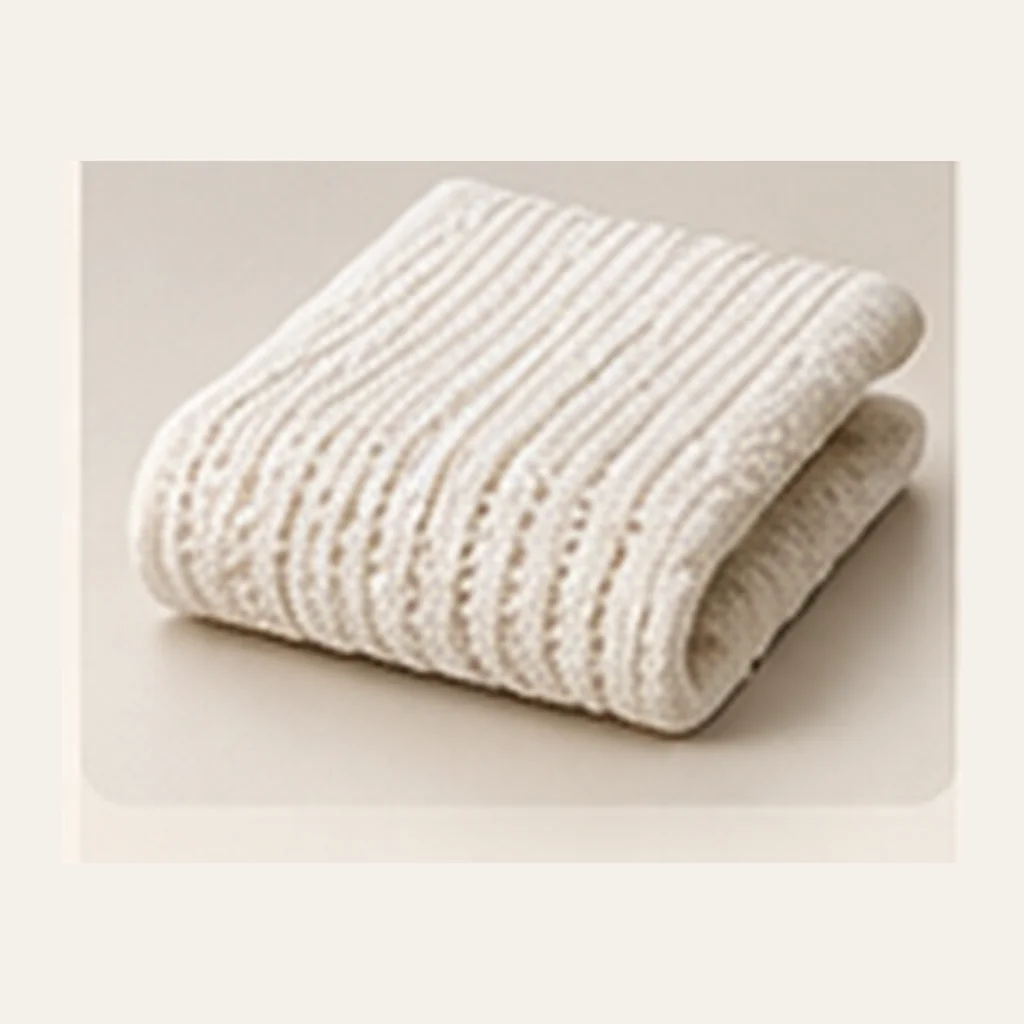
| What you want to learn | Useful material evidence |
|---|---|
| Fibre family and blend | Composition label, supported by a surface photo |
| Fabric construction | Visible thread or loop pattern and product description |
| Care routine | The garment’s own care instructions |
Read the surface and the fibre information together
A camera captures texture, finish and construction. These are useful clues when exploring a fabric, especially with a clear close-up and a wider garment photo. The composition label supplies a separate piece of information: the fibres the maker states are present.
Polyester is a manufactured fibre, as described in the CottonWorks textile reference. CottonWorks is a cotton industry source; its terminology is useful background for learning about textile fibres.
Compare the actual garments
Place the items in the same light and record the fibre information for each. A garment labelled as a blend deserves its own entry, with the stated percentages preserved. This makes your comparison more specific than a simple cotton-or-polyester label.
Then consider the purpose of the garment, its construction and its care instructions. These product details help you decide which item suits your needs and how to keep it in use.
Turn the comparison into a collection
Use Materium to explore each surface and save a reference. Its pattern analysis helps describe visible features, while your label notes add product-specific composition. Together, these make a useful learning record.
A photo-based identification is an estimate; the product label is the better source for an exact fibre blend. If the two raise a question, revisit the component and the manufacturer’s information. Your library can grow as those details become clearer.
Explore how Materium analyses patterns and material context, including the role of different information layers in a material investigation.
Sources and further reading
Sources checked 2026-10-19. Regional guidance is identified by location, with industry and supplier references labelled.
- CottonWorks: polyester fibre reference (industry source)
- FTC: textile and wool labelling (US requirements)
Published by Materium with AI assistance. Read our source and editorial approach.