 Materium
Fabrics
How to identify fabric and read a clothing label
Combine fabric identification with fibre labels to understand the texture, composition and construction of a garment.
Read as Markdown ↗A fabric identifier app helps you explore the surface of a textile. Pairing that analysis with the clothing label gives you a fuller picture of its fibre content and construction.
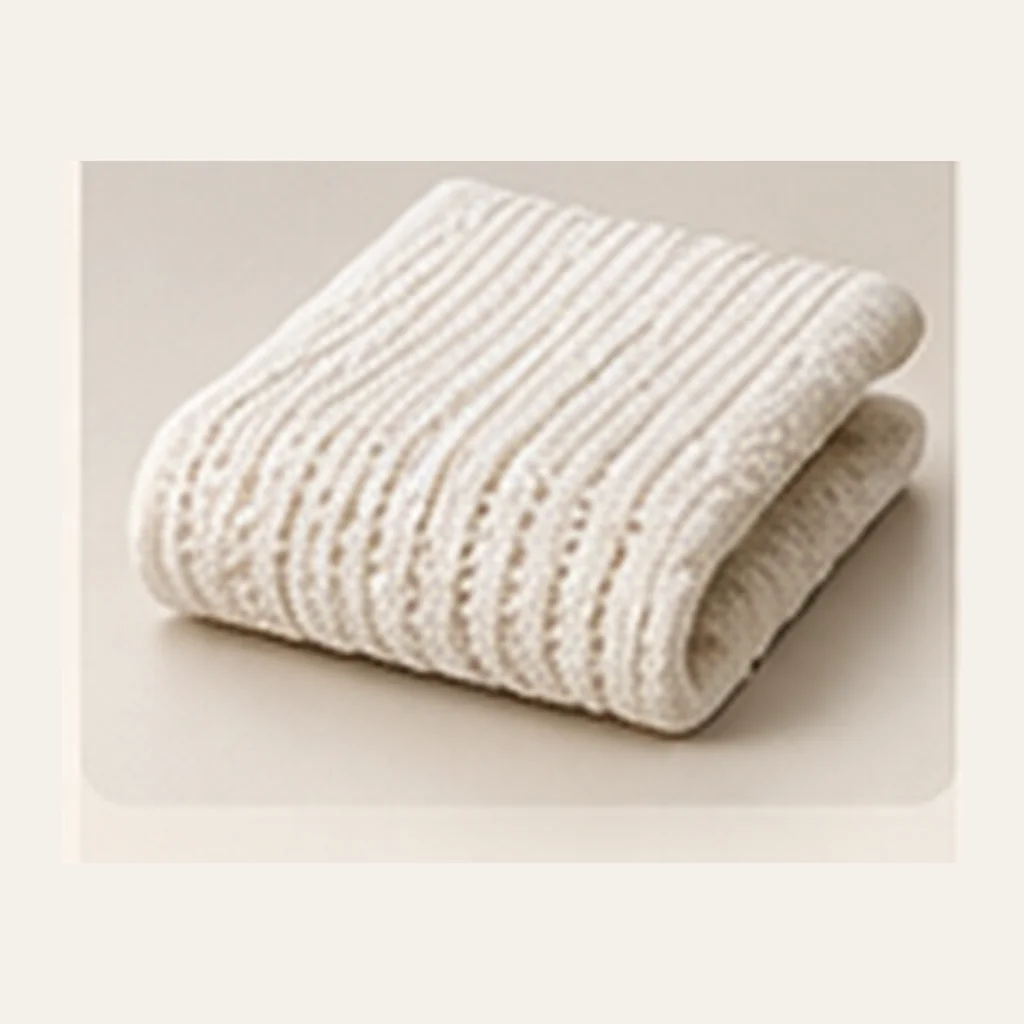
Start with the fabric’s structure
Look at how threads or loops form the surface. “Woven” and “knitted” describe construction; cotton and polyester name fibre families. Keeping these ideas separate makes it easier to understand why different materials can share a similar texture.
Photograph a flat, well-lit area, then take a wider image of the garment for context. In Materium, patterns, surface finish and construction cues contribute to the material assessment.
Read the label by component
Copy the fibre names and any stated percentages. Check whether each description applies to the outer fabric, lining, filling or trim. A coat can have several material stories within the same item.
FTC textile guidance describes fibre-content and other labelling requirements for covered products in the US. Other markets have their own rules. Keep care instructions alongside composition information so you can refer to the garment’s recommended maintenance.
Build a useful fabric reference
Save the scan and keep the label transcription with your research notes. A record such as “woven outer fabric; label states a cotton-polyester blend” connects the surface you observed with the composition the maker provides.
For an item with a missing label, the product code or original listing may supply more detail. A clear record can include both the likely material family and an open question about the blend. That makes your collection useful for future comparisons.
Explore how Materium analyses patterns and material context, including the role of different information layers in a material investigation.
Sources and further reading
Sources checked 2026-10-19. Regional guidance is identified by location, with industry and supplier references labelled.
Published by Materium with AI assistance. Read our source and editorial approach.