 Materium
Finishes
Powder coating vs anodizing: how to read an aluminium finish
Powder coating adds a cured polymer layer, while anodizing grows an oxide finish from the aluminium surface. Learn what to record before specifying or identifying either finish.
Read as Markdown ↗Powder coating and anodizing can both colour and protect aluminium, but they are different finish systems. Anodizing converts the aluminium surface into an integrated oxide layer; powder coating applies a polymer powder and cures it into a separate film. Appearance alone rarely proves which finish is present, so keep the finish specification with your observations.
| Question | Anodizing | Powder coating |
|---|---|---|
| What forms the finish? | An aluminium-oxide layer grown from the surface | A polymer-resin powder deposited and cured as a film |
| What should the record include? | Alloy, preparation, anodizing type, colour and seal | Substrate preparation, powder system, colour and cure requirements |
| Can appearance prove the process? | No—confirm with product or supplier documentation | No—confirm with product or supplier documentation |
Name the finish system before the colour
The Aluminum Anodizers Council describes anodizing as an electrochemical process that converts the metal surface into aluminium oxide. The oxide grows from the substrate rather than being applied like paint, and it can be coloured and sealed after the anodizing stage.
The Powder Coating Institute describes powder coating as a dry finishing process. A polymer-resin powder is commonly deposited electrostatically on a grounded part, then heated so it flows and cures. A black, bronze or silver appearance can be produced by more than one finish, so colour is not a reliable process label.
Record clues without turning them into a verdict
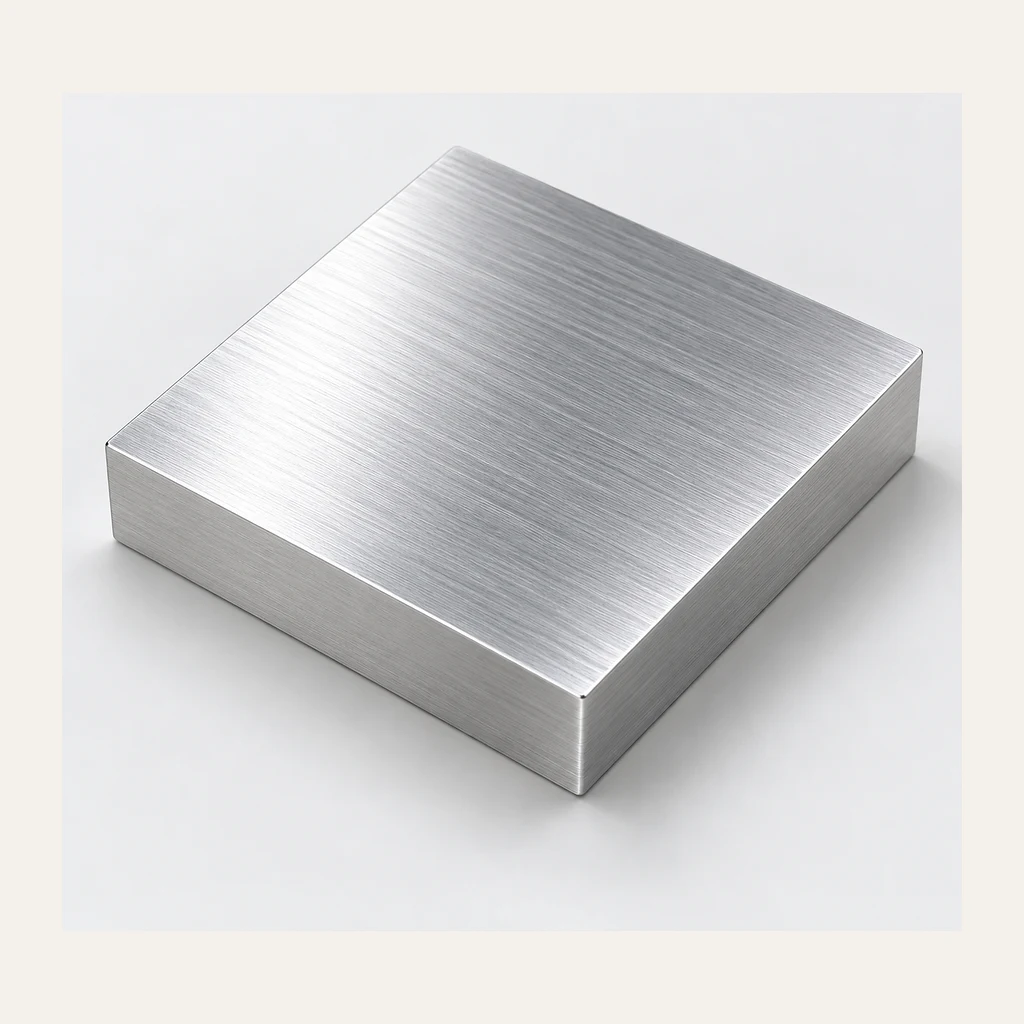
Photograph the whole component, the surface in even light and an existing edge, joint or masked area. Describe gloss, texture, colour variation and whether the finish follows machining or brushing marks. Do not scratch, cut or chemically test a finished product merely to identify it.
These clues organise a comparison, but they do not establish the process by themselves. Powder formulations can produce smooth, textured, translucent or metallic effects. Anodized appearance also depends on the aluminium alloy, surface preparation, oxide process and colouring method.
Read the drawing, datasheet or supplier description
For a design or procurement decision, record the aluminium alloy and component, the named finish, colour or appearance requirement, and the relevant performance specification. The anodizing council advises that alloy and temper, mechanical and chemical preparation, anodic oxide type and service environment all matter when an anodized finish is specified.
For powder coating, keep the powder chemistry, substrate preparation and cure schedule supplied for the actual system. The Powder Coating Institute notes that coating selection involves trade-offs among properties and should be made with the powder formulator. Neither the generic word powder-coated nor anodized supplies a complete engineering specification.
Build a finish reference you can reuse
Start with a documented sample or product whose finish is stated by the maker. Use Materium to explore the visible aluminium component, then save the observation separately from the supplier declaration. A photo-based assessment can help frame the material question; it cannot verify the coating chemistry, anodizing type or compliance with a finish standard.
Compare known samples under similar lighting and keep the source, finish code and date with each record. Materium’s material observation worksheet provides fields for the object, component, surface, stated material and supporting source, making it a useful companion to a finish sample library.
Explore how Materium analyses patterns and material context, including the role of different information layers in a material investigation.
Sources and further reading
Sources checked 2026-11-21. Regional guidance is identified by location, with industry and supplier references labelled.
- Aluminum Anodizers Council: what is anodizing? (industry reference)
- Aluminum Anodizers Council: specifying anodized aluminum (industry technical bulletin)
- Powder Coating Institute: what is powder coating? (industry reference)
- Powder Coating Institute: frequently asked questions (industry reference)
- Materium material observation worksheet
Published by Materium with AI assistance. Read our source and editorial approach.